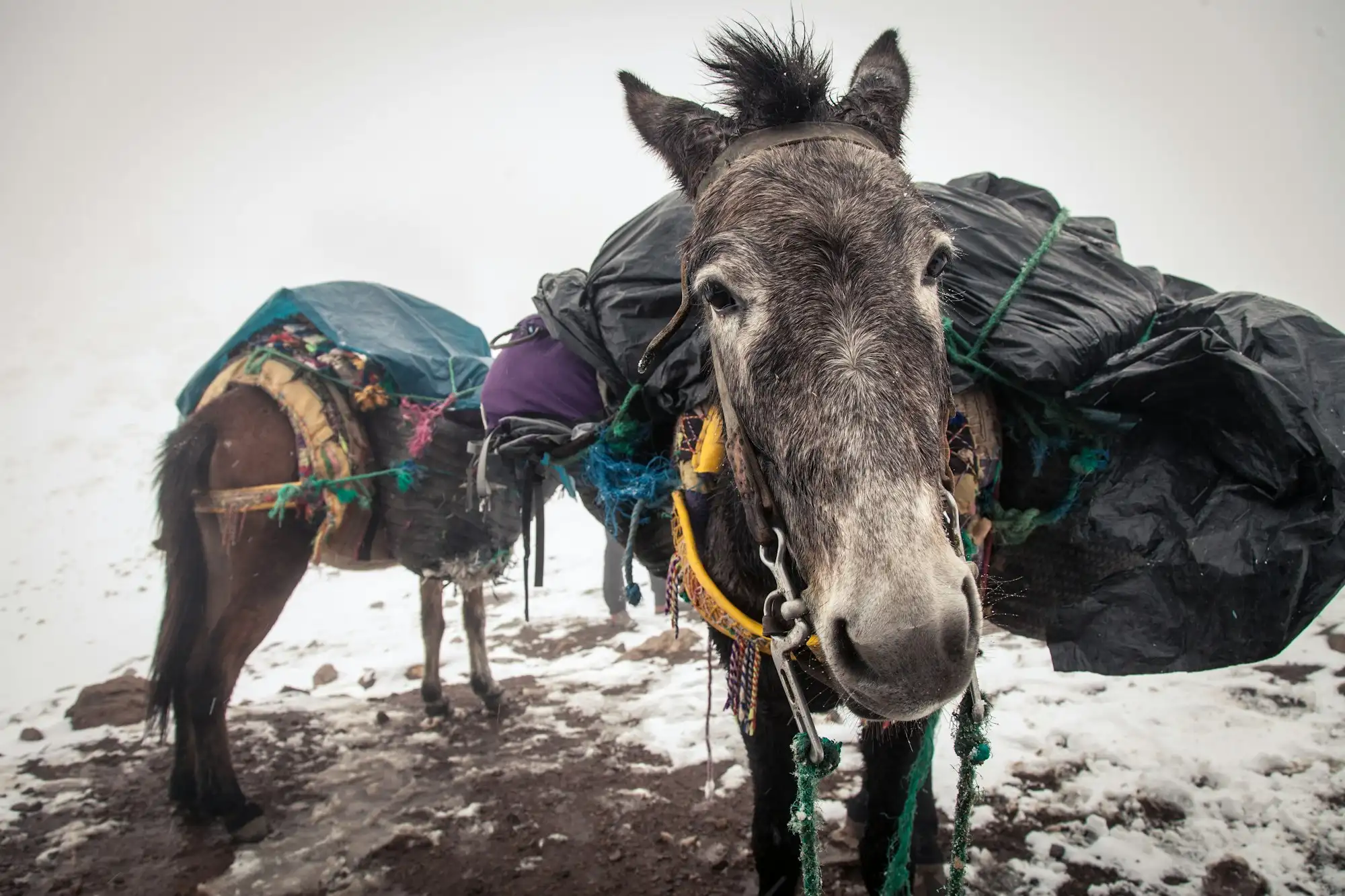
A guide's day in Imlil
From the first light at the village to the last mint tea of the evening, a day on the muleteer trails with Hassan.
By Hassan Ait Lahcen
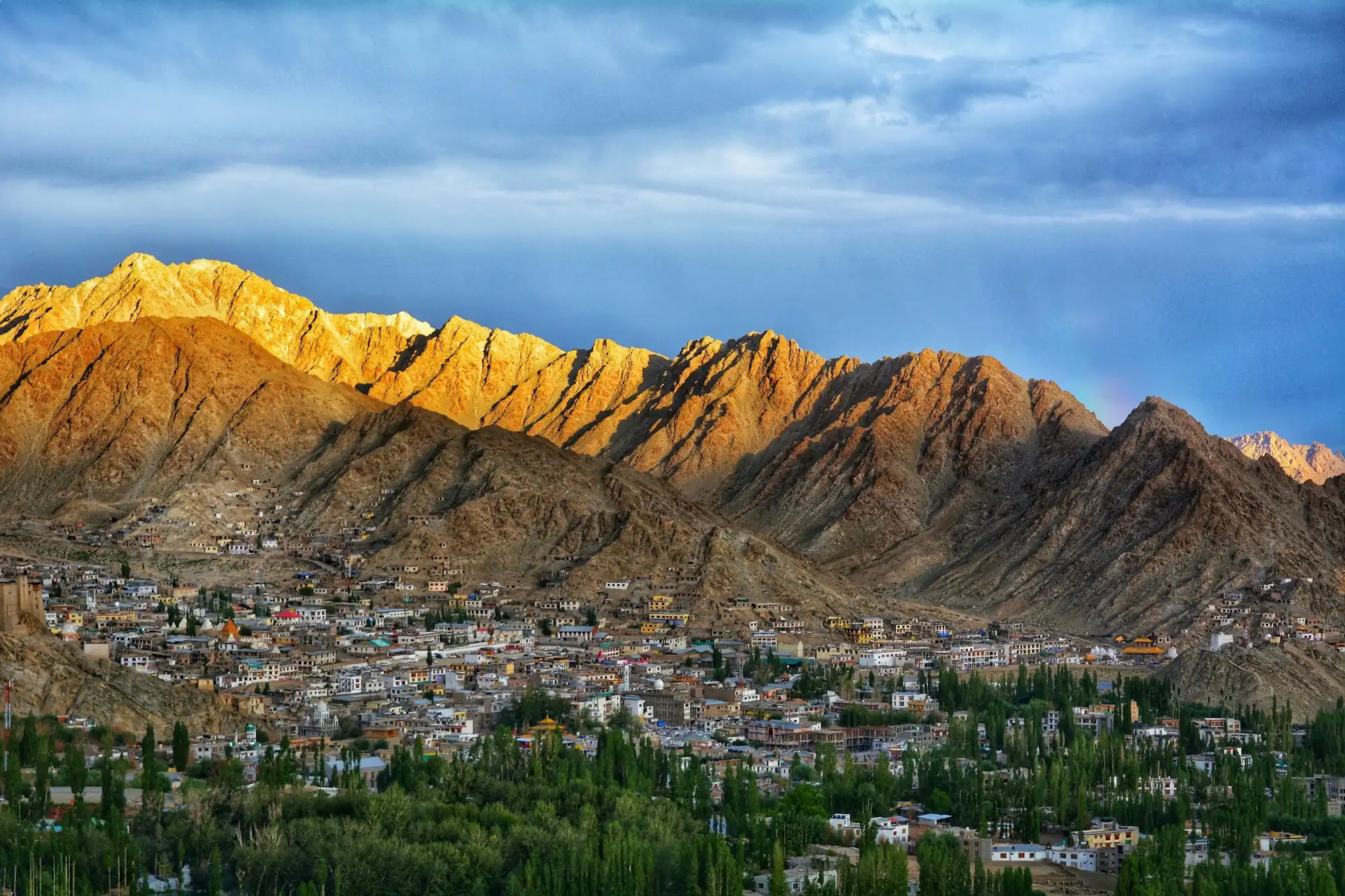
A three-day pattern for the first days at 3,500 m: what to do, what to skip, and when to tell your guide you feel off.
Leh sits at about 3,500 metres, and most people feel it on the first day. A headache, a short temper and a poor night’s sleep are normal. What matters is how you spend the first three days, because that decides whether the trek a week later feels like a walk or a struggle.
Your body adjusts to thinner air over days rather than hours. Our plan for the first three days is built around that. Nothing is booked for the first morning, and the first walk is short enough that you could stop at any point and turn back without fuss.
Fly in, collect your bags and go straight to the guesthouse. Drink more water than you think you need, about three litres across the day, and eat little and often. Avoid alcohol and sleeping pills, which both make breathing at night harder. If you want to sit in the garden and do nothing, that is the right thing to do.
In the late afternoon, a gentle stroll through the old town is fine. Keep it to half an hour and take the steps slowly. If you notice your heart racing when you talk, stop and sit down.
Head up to Shanti Stupa for the sunrise, or walk to the nearby viewpoint on the ridge. The climb is steady but short. Go at a pace where you could still hold a conversation. Stop often, look at the view and let your breathing settle before you climb again.
Keep your water bottle full, and take the afternoon off. Most people sleep better on the second night, though some do not. Both are normal.
By the third day most visitors are ready for a short drive. A morning visit to a nearby monastery is a good test. The paths are often uneven, so keep your pace easy and stop at each landing. Afterwards, take a long lunch and an afternoon rest before you think about a bigger day.
Tell your guide at once if you have a headache that does not ease with paracetamol, feel sick and unable to keep fluids down, or notice a cough that brings up a frothy fluid. Dizziness, confusion and loss of balance are emergencies, and the trip leader will arrange descent. Going down a few hundred metres is often the fastest cure, and nobody on our teams will think less of you for asking.
Skip the long drive on day one, the big climb on day two and any plan that puts two high passes in one morning. We would rather you arrive at the trek with a clear head and full legs than see the valley from the back of a jeep with a headache.
From the first light at the village to the last mint tea of the evening, a day on the muleteer trails with Hassan.
By Hassan Ait Lahcen

What a homestay offers, the questions worth asking before you book, and how to read reviews without being misled by the stars.
By Priya Nair

The four grades we use, what we measure to set them, and where we think the grades are easy to misread.
By Owen Hale
Tell us the month, the group and the pace. A real person replies within one working day.