Standard
$890per person
Guesthouses in Leh, shared tents on the trek
Choose StandardSeven days on foot from Leh through the Markha valley, with two passes, village homes and camps on the river.
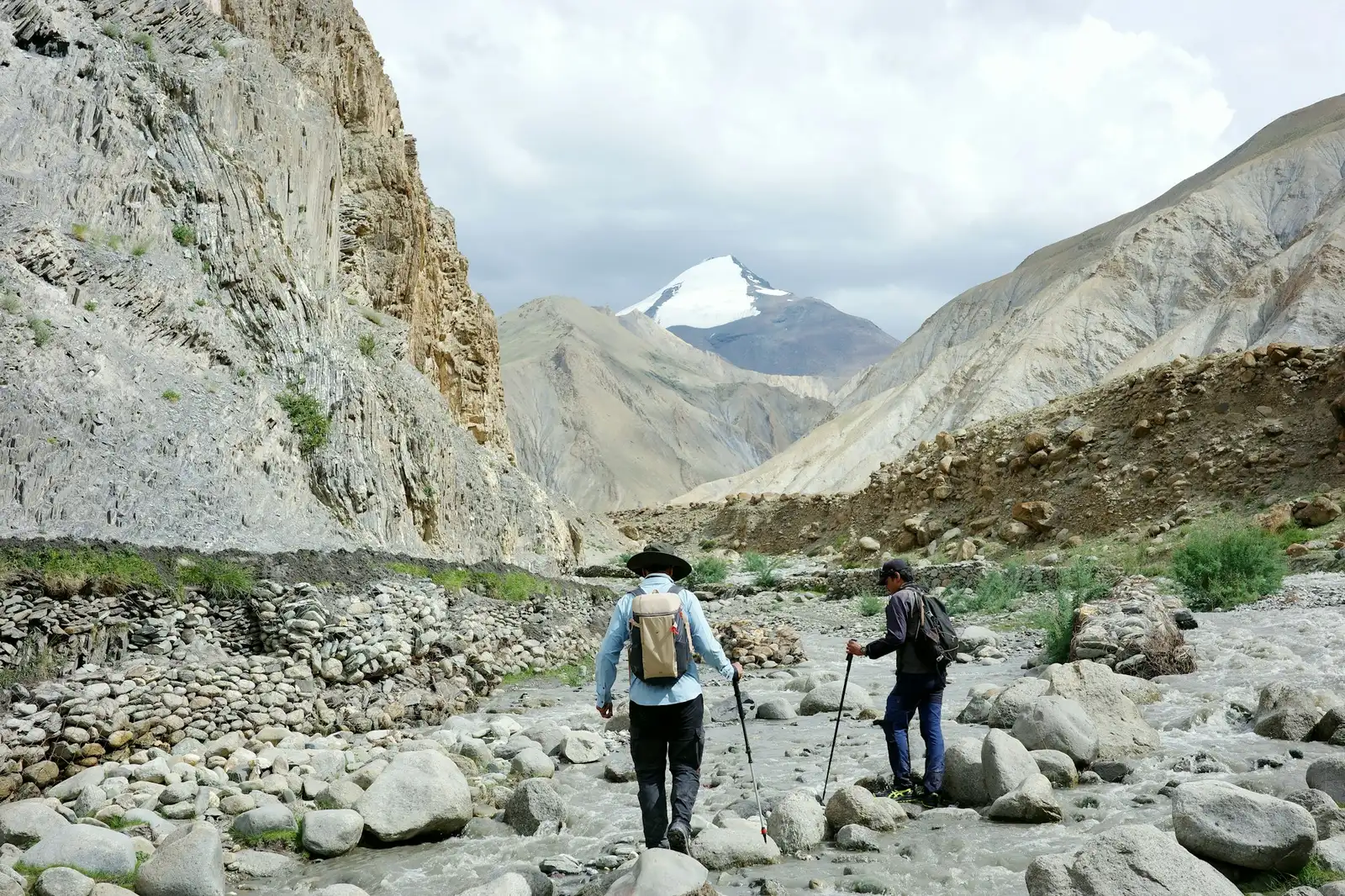
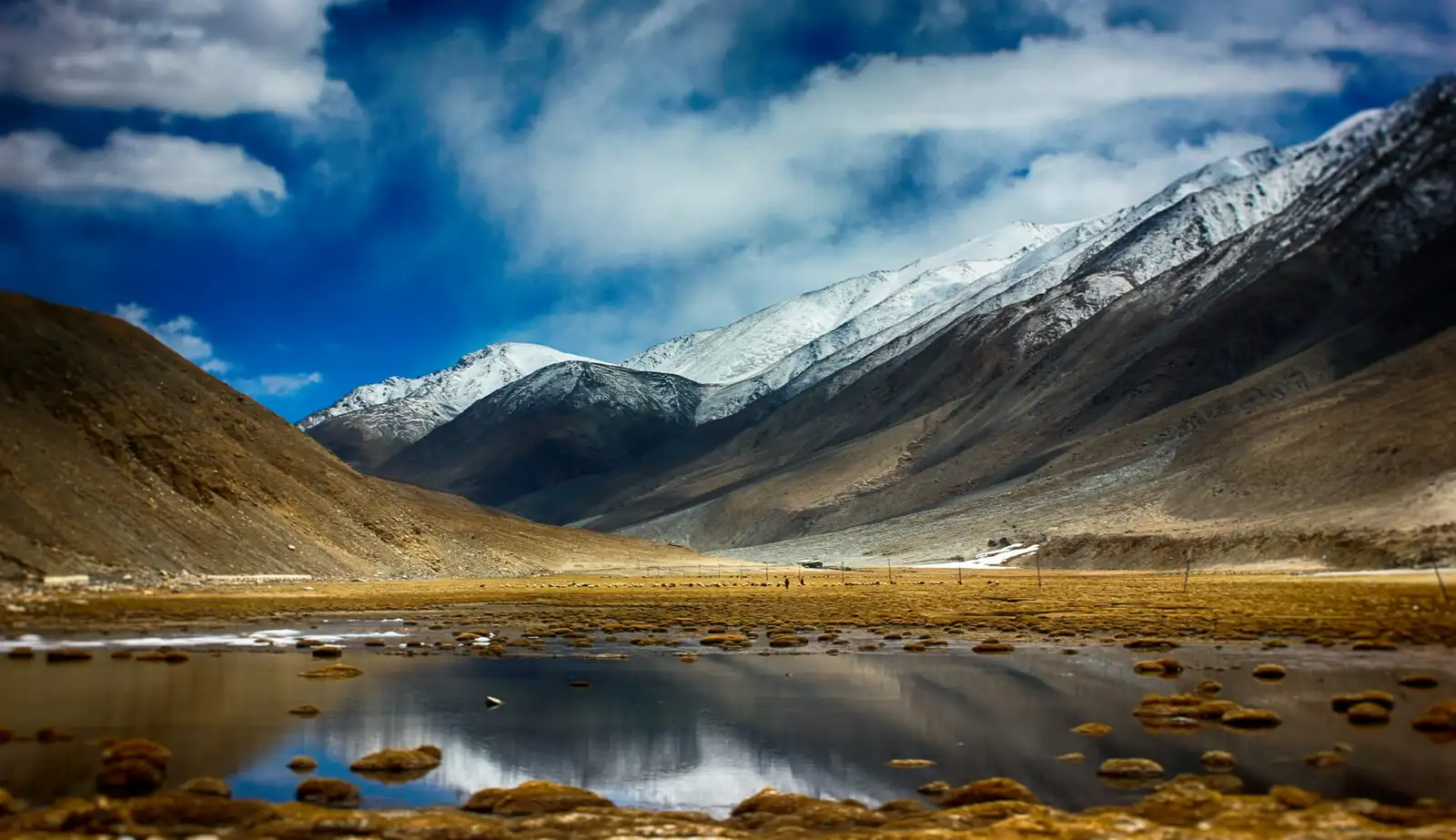
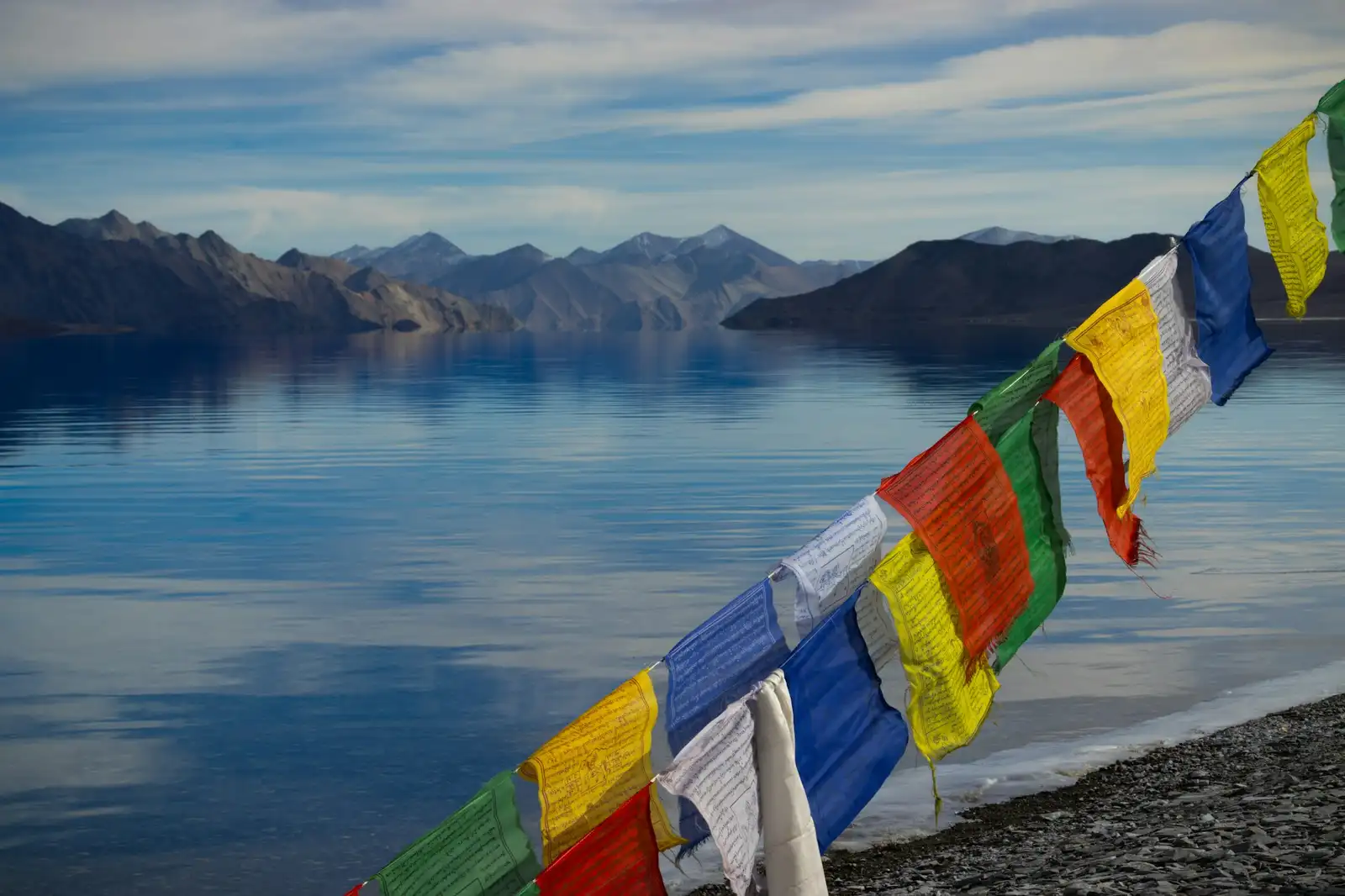
The Markha valley is one of the classic walks in Ladakh. It runs south from the Indus, through villages where barley and peas grow in small fields and the river runs green in the summer heat. The route is well marked and the days are long but never technical, which suits walkers who are steady rather than fast.
Our small groups walk with a licensed guide, a cook and a horse man who carries the duffel bags. Camps are set up by the staff each afternoon, so you walk with a daypack only. Meals are cooked on the trek and the menu includes dal, vegetables, noodle soup and bread baked in the village. Nights are cold above 4,000 m, so the sleeping bags we provide are rated for it.
Plan for two days in Leh before you start and one day after the trek. The acclimatisation matters more than most people expect. If you have a history of high-altitude illness, speak to your doctor before you book.
Fly into Leh and rest for the day. Drink plenty of water and keep the first afternoon easy, because the air is thin at this height.
A short drive takes you to the start of the valley. The trail follows the Markha river through willow and poplar, with the first river crossing before lunch.
The valley narrows and the path crosses the river several times. Stop for lunch by the water and reach the village in the afternoon, where the camp sits above the fields.
The walk passes the ruins of Hankar fort on a rock above the river. The valley walls turn gold in the late afternoon, which is the best light for photographs.
The trail climbs onto open pasture where herders bring yaks and sheep in summer. Nimaling is the highest camp before the pass, so sleep early and drink water.
Cross Kongmaru La early, before the wind rises. The far side is a long, loose descent, and the last section follows the river to the camp at Shang Sumdo.
A drive back to Leh through the Indus valley. If time allows, stop at a monastery on the way, and then rest for the evening.
$890per person
Guesthouses in Leh, shared tents on the trek
Choose Standard$1,150per person
Private room in Leh, tents with proper beds on the trek
Choose Comfort$2,100per person
Your own guide, cook and vehicle for a group of one to four
Choose Private| Departs | Seats left | Status | Price | Request |
|---|---|---|---|---|
| 8 seats left | Open | $890 | Request Sat 12 Jun 2027 | |
| Only 2 left | Few left | $890 | Request Sat 3 Jul 2027 | |
| 6 seats left | Open | $890 | Request Sat 24 Jul 2027 | |
| 9 seats left | Open | $890 | Request Sat 14 Aug 2027 | |
| On request | On request | $890 | Ask Sat 4 Sept 2027 |
5.0
Based on 1 review
Tenzin met us at Leh airport with a clear plan and a flask of tea. He checked how we were sleeping each morning and changed the second day's walk when one of us struggled on the climb to Ganda La. The homestays were simple and clean, and the monastery visits were quiet because he timed them well. I came home with a far better sense of the valley than I expected from a six-day trek.
Amara Okafor
Still have a question?
Ask a planner. A person reads every message and replies within one working day.
You should be comfortable walking for six hours a day with a daypack and climbing steadily for a few hours. Training in the four weeks before you travel helps a lot.
The trek starts at 3,500 m and the highest point is about 5,150 m. Two days in Leh come first, the pace is slow, and the guide checks everyone's oxygen level each morning. Anyone with symptoms descends.
June to September, when the passes are clear of snow. July and August are the wettest months in the rest of India but the Ladakh desert stays dry.
from$740
from$980
from$1,480